oofing News, Tips & Home Improvement Insights
The concept of an energy-efficient roof is a fundamental element in the green building movement. Rather than just serving as a shield against the elements, modern rooftops are now expected to contribute to a home's energy efficiency. This is achieved through various mechanisms such as the reflection of solar heat, insulation, and in some cases, the generation of renewable energy.
An energy-efficient roof is a smart choice for homeowners looking to reduce their energy bills while also contributing to the fight against climate change. What differentiates this type of roofing from traditional ones is its ability to reduce the amount of heat that enters a home in the hot seasons and escape during cold seasons. This energy-saving feature results in less reliance on heating and cooling systems, which in turn translates into significant energy savings. Additionally, energy-efficient roofs are often made from recyclable or sustainable materials, contributing to the reduction of waste and further promoting environmental sustainability.
But just how long can these energy-efficient roofs last? The lifespan of an energy-efficient roof is a critical factor to consider, as it affects both the economic and environmental benefits of the investment. It's not enough to simply install an energy-efficient roof; it's equally important to understand its longevity and factor this into your decision-making process.
This article will delve into
the lifespan of energy-efficient roofs
, examining how various factors such as material, installation, maintenance, and climate can impact their durability. We will also explore the benefits of energy-efficient roofing, and why it's an investment worth considering for anyone looking to reduce their carbon footprint and save money in the long run. Looking for reliable help? Reach out to JW Services Inc. of NC and experience top-notch assistance.
Energy-Efficient Roofing Materials
Variety of Types of Roofing Materials
Energy-efficient roofing materials come in a variety of types, each with unique characteristics that contribute to their efficiency and lifespan. Some of the most common types include cool roofs, green roofs, solar roofs, and metal roofs. Cool roofs are designed to reflect more sunlight and absorb less heat than standard roofs, extending their lifespan by reducing temperature-induced wear and tear. Green roofs, covered with vegetation, act as insulators, reducing both heat loss and heat gain. Solar roofs, while costly, generate electricity, offsetting their cost over their lifetime. Finally, metal roofs, while not strictly energy-efficient, have reflective coatings that can improve their energy efficiency and longevity.
Comparing These Materials
When comparing these materials, several factors come into play. Cool roofs, for example, while effective in hot climates, may not be as beneficial in cooler climates. Green roofs require more maintenance than traditional roofs but offer additional benefits such as improved air quality and habitats for wildlife. Solar roofs offer the most energy savings but come with a high initial cost. Metal roofs, on the other hand, are durable and require little maintenance, but their efficiency depends heavily on their coating and color.
In summary, a variety of energy-efficient roofing materials are available, each with its benefits and drawbacks. The choice of material should take into account the local climate, the building's energy needs, and the homeowner's budget and maintenance capabilities. Regardless of the material chosen, proper installation and regular maintenance are key to maximizing the lifespan and efficiency of an energy-efficient roof.
Factors Affecting the Lifespan of an Energy-Efficient Roof
Geographical Location
The lifespan of an energy-efficient roof is influenced by a variety of factors, among which climate and weather conditions play a significant role. Depending on the geographical location, a roof may be exposed to intense sunlight, heavy rain, snow, or high winds. These elements can cause wear and tear over time, resulting in a reduced lifespan. For instance, solar roofs, which are designed to absorb sunlight and convert it into electricity, may deteriorate faster in regions with high UV radiation. Conversely, cool roofs, designed to reflect sunlight and heat away, can last longer in warmer climates.
Installation and Maintenance
Installation and maintenance are also critical factors that influence the longevity of an energy-efficient roof. Improper installation can lead to issues such as leaks, poor insulation, and structural damage, which can significantly reduce the roof's lifespan. Therefore, it is essential to hire a professional and experienced roofing contractor to carry out the installation. Likewise, regular maintenance is crucial in identifying and addressing potential issues early. This includes tasks such as cleaning, inspection for damage, and necessary repairs.
Quality of the Materials Used
The quality of the materials used in the construction of the roof also significantly impacts its lifespan. High-quality materials tend to be more durable and resistant to environmental factors, resulting in a longer lifespan. For instance, metal roofs, known for their durability, can last up to 60 years if made from high-grade metals like steel or aluminum. On the other hand, lower-quality materials may be less expensive upfront, but they can lead to increased maintenance and replacement costs in the long run.
In conclusion, while energy-efficient roofs are designed to optimize energy usage and reduce environmental impact, their lifespan is influenced by a variety of factors. Therefore, careful consideration of the local climate, proper installation and maintenance, and the choice of high-quality materials are essential in maximizing the lifespan of an energy-efficient roof.
The Lifespan of Common Energy-Efficient Roofs
Solar-Reflective Asphalt Shingles
As we delve further into the lifespan of energy-efficient roofs, it's important to consider various types. First, let's examine solar-reflective asphalt shingles. This type of roof has an average lifespan of 15 to 30 years. However, the lifespan can be extended up to 40 years with proper maintenance and care. These shingles are built with special granules that reflect solar energy, reducing heat absorption and maintaining a cooler indoor environment.
Metal Roofs
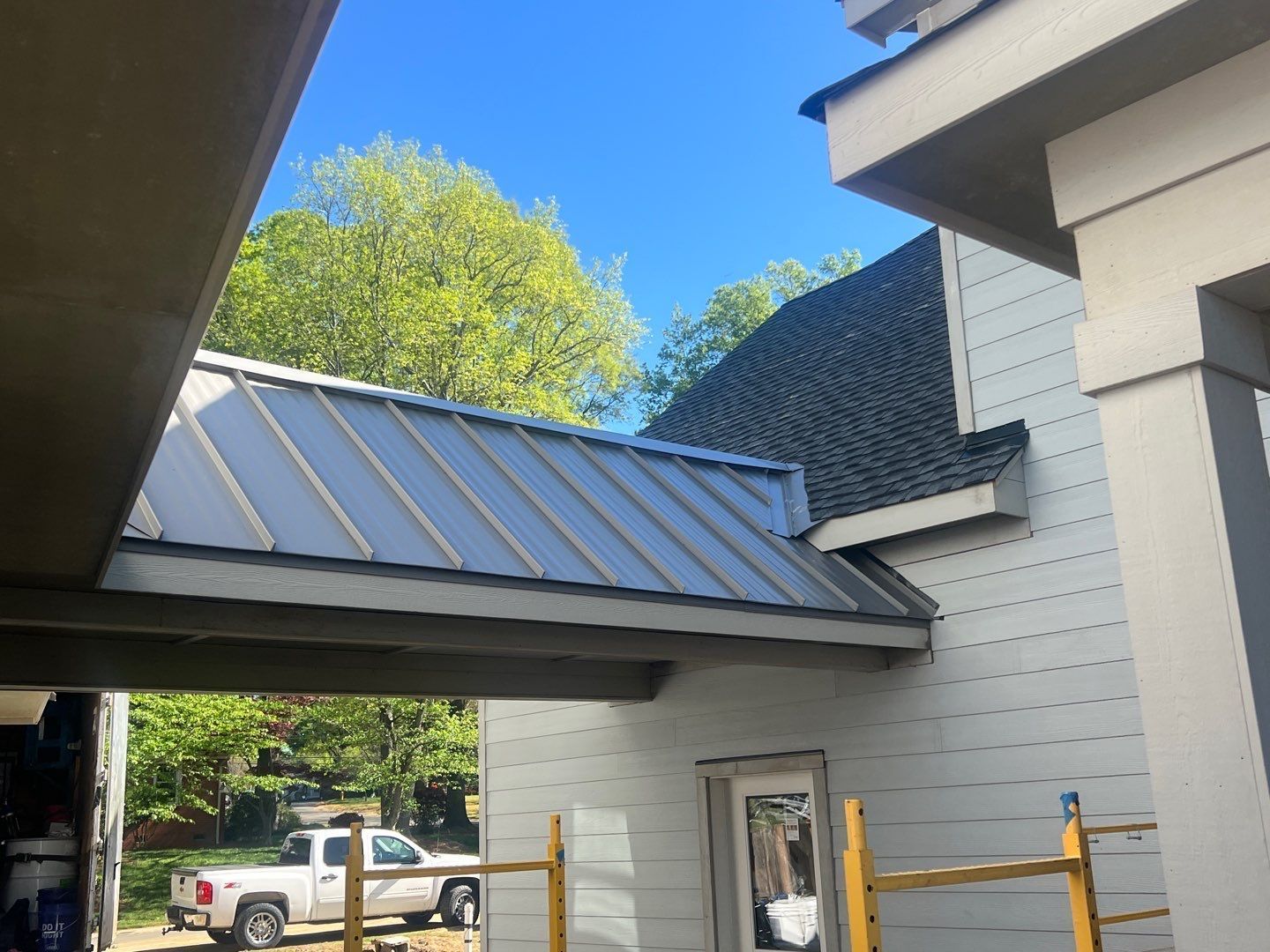
Moving on to metal roofs, are known for their exceptional longevity, with an impressive lifespan of 40 to 70 years. This makes them one of the most durable energy-efficient roofing options available. Metal roofs reflect sunlight, reducing heat gain and keeping your home cooler. They are also resistant to extreme weather conditions, adding to their longevity.
Cool Roofs
Next, we have cool roofs. These roofs are designed to reflect more sunlight and absorb less heat than a standard roof. They use reflective paint, a sheet covering, or highly reflective tiles or shingles. A cool roof can last anywhere from 20 to 30 years, depending on the materials used and the climate in which they are installed.
Green Roofs
Lastly, let's explore the lifespan of green roofs, also known as living roofs. These unique roofs are covered with vegetation and a growing medium, installed over a waterproofing membrane. Green roofs not only provide insulation but also absorb rainwater and provide habitats for wildlife. The lifespan of this type of energy-efficient roof can range from 30 to 50 years, depending on the care and maintenance it receives.
In conclusion, the lifespan of an energy-efficient roof depends greatly on the type of material used, the climate, and the quality of installation and maintenance. Regardless of the type chosen, an energy-efficient roof can significantly reduce energy costs and promote environmental sustainability.
Extending the Lifespan of an Energy-Efficient Roof
Extending the lifespan of an energy-efficient roof is a task that largely involves regular maintenance practices, professional inspections, and repairs, as well as proper ventilation and insulation.
Regular Maintenance
The value of regular maintenance cannot be overstated. It includes the removal of debris from the roof surface, clearing of gutters, and checking for signs of damage or wear. This helps prevent the accumulation of moisture and mitigates the potential risk of leaks. Regular maintenance is a preventive measure that ensures the roof remains in optimal condition, therefore, extending its lifespan.
Professional Inspections and Repairs
Professional inspections and repairs are crucial in maintaining the longevity of an energy-efficient roof. While regular maintenance can be performed by the homeowner, professional inspections are necessary to identify potential problems that may not be easily noticeable. These inspections should ideally be conducted at least once a year. Any identified issues, such as damaged shingles or roof leaks, should be repaired promptly by professionals to prevent further deterioration, hence prolonging the roof's lifespan.
Proper Ventilation and Insulation
Proper ventilation and insulation play a significant role in extending the lifespan of an energy-efficient roof too. Adequate ventilation prevents the buildup of heat and moisture, which can lead to rot and decay, thereby reducing the lifespan of the roof. Insulation, on the other hand, helps maintain a steady temperature within the home, reducing energy costs and the strain on the roof from extreme temperature changes. Both ventilation and insulation contribute to the overall health and longevity of the roof.
Cost-Benefit Analysis of Energy-Efficient Roofs
Cost-Benefit Analysis
In the realm of cost-benefit analysis, the initial expenditure for an energy-efficient roof may seem substantial, but this investment should not be evaluated in isolation. It is crucial to consider the long-term savings that these roofs bring. An energy-efficient roof can significantly reduce cooling costs by reflecting more sunlight and absorbing less heat than a standard roof. Over time, these savings can offset the initial higher cost of installing an energy-efficient roof. Moreover, the reduced strain on HVAC systems can result in less frequent repairs and replacements, further contributing to long-term savings.
Role of an Energy-Efficient Roof
Furthermore, the role of an energy-efficient roof in enhancing property value cannot be overlooked. Given the growing environmental awareness and the push for sustainable living, homes with energy-efficient features are increasingly in demand. A house equipped with an energy-efficient roof is appealing to potential buyers as it promises lower energy bills and a smaller carbon footprint. This can translate into a higher selling price when it's time to put the property on the market. From this perspective, the initial costs of an energy-efficient roof are more of an investment rather than an expense.
Just as regular maintenance, professional inspections, and proper ventilation and insulation can extend the lifespan of an energy-efficient roof, they can also maximize its cost efficiency and potential for increasing property value.
Conclusion
In conclusion, energy-efficient roofs offer a myriad of benefits. Despite the initial high installation cost, these roofs are a smart investment. They are known to significantly reduce energy costs, decrease the frequency of HVAC system repairs and replacements, and enhance property value due to the increasing demand for sustainable features in homes. Furthermore, with proper maintenance and professional inspections, the lifespan of these roofs can be remarkably prolonged, providing homeowners with cost benefits in the long run.
Looking towards the future, the demand for energy-efficient roofing is expected to continue to rise. As homeowners become more environmentally conscious, the need for sustainable, energy-saving options is anticipated to increase. In addition, advancements in technology and construction materials are predicted to further improve the efficiency and lifespan of these roofs. This will inevitably make energy-efficient roofs an even more attractive option for homeowners seeking to reduce their carbon footprint and energy costs, while simultaneously increasing their property value.
Therefore, it is clear that
the lifespan of an energy-efficient roof
is well worth the initial investment. Not only does it save homeowners money in the long run, but it also contributes to a more sustainable future by promoting energy efficiency and reducing carbon emissions. Looking for expert help? Look no further than JW Services Inc. of NC. Our team of professionals is here to provide you with the assistance you need. Contact us today to get started.
Name, Address, and Phone
JW Services Inc of NC
5832 Gold Hill Rd, Concord, NC, 28025, US
(704) 228-7306
Social Media’s
.