oofing News, Tips & Home Improvement Insights
The roof is one of the most significant parts of your home, and choosing the right material for it is paramount. Not only does it protect your home and everything within it from the elements, but it also contributes significantly to the overall appeal and value of your property. The material you choose for your roof can affect its longevity, durability, energy efficiency, and aesthetic appeal. Therefore, it's crucial to evaluate the different types of roofing materials and select one that best suits your home's architectural style, climate, and budget.
When
choosing the right material for your roof
, you would need to consider a plethora of factors. Firstly, you need to think about the longevity and durability of the material. You want a roof that can withstand harsh weather conditions and last for many years without requiring frequent repairs or replacements. Secondly, energy efficiency is a critical factor to consider. A roof with good insulating properties will help keep your home comfortable and reduce your energy bills. Thirdly, you should consider the aesthetic appeal of the material. The roof is a notable part of your home's exterior, and its material can significantly influence the overall look of your property. Lastly, you should consider the cost of the material, including installation and maintenance costs. Different materials vary in price, and it's essential to choose one that fits within your budget.
Choosing the ideal roofing material involves a careful balancing act between these factors. However, with a thorough understanding of your specific needs and preferences, you can make an informed decision that will serve your home well for years to come.
Understanding Different Roofing Materials
Asphalt Shingles
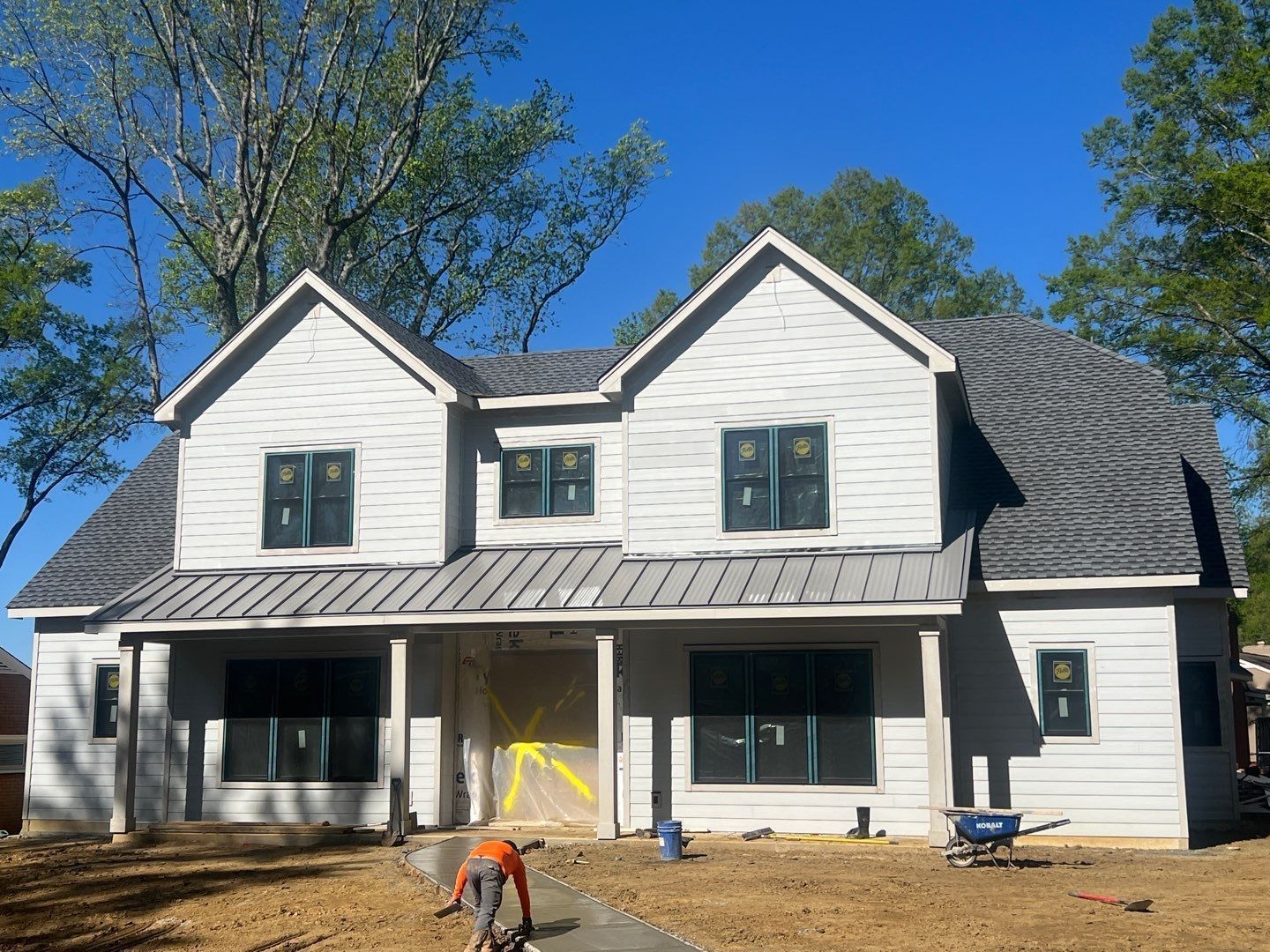
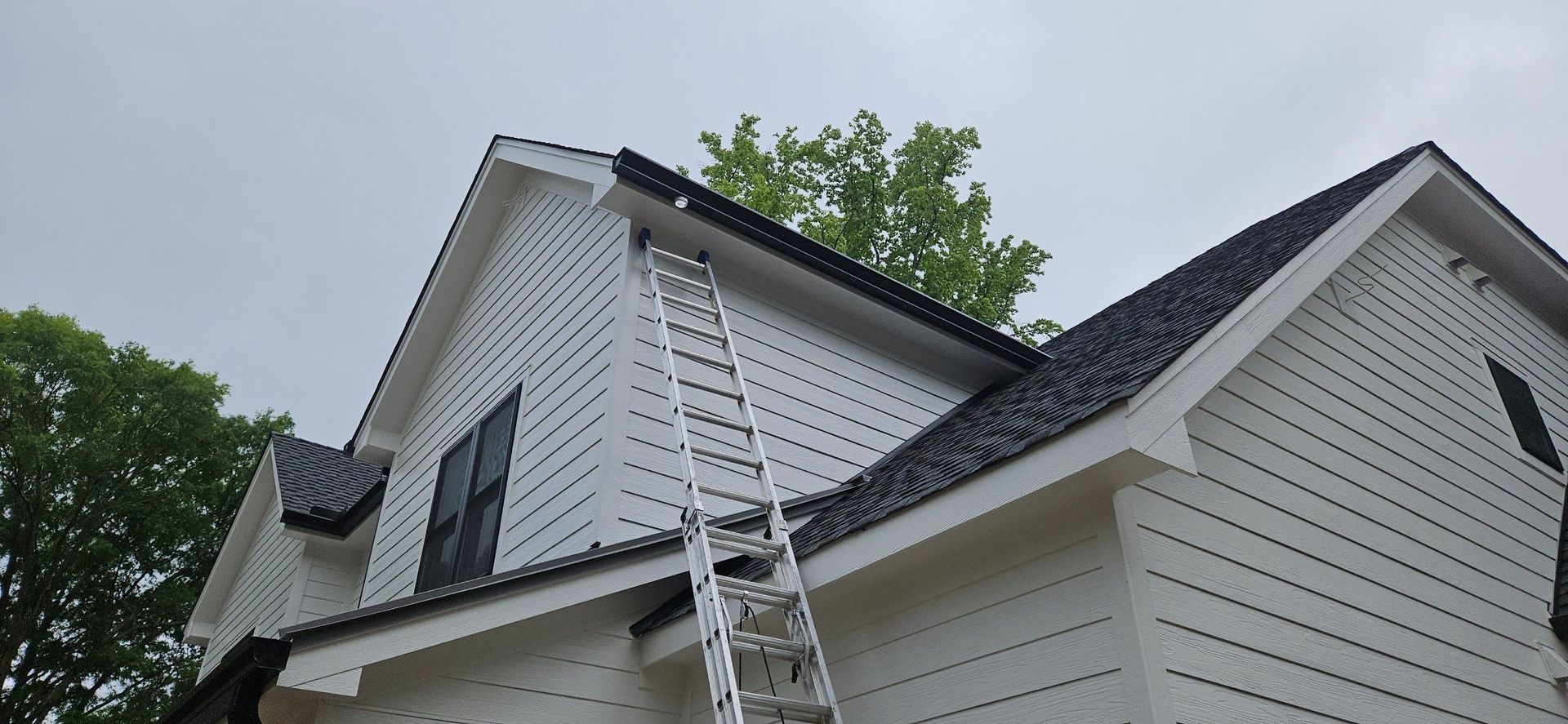
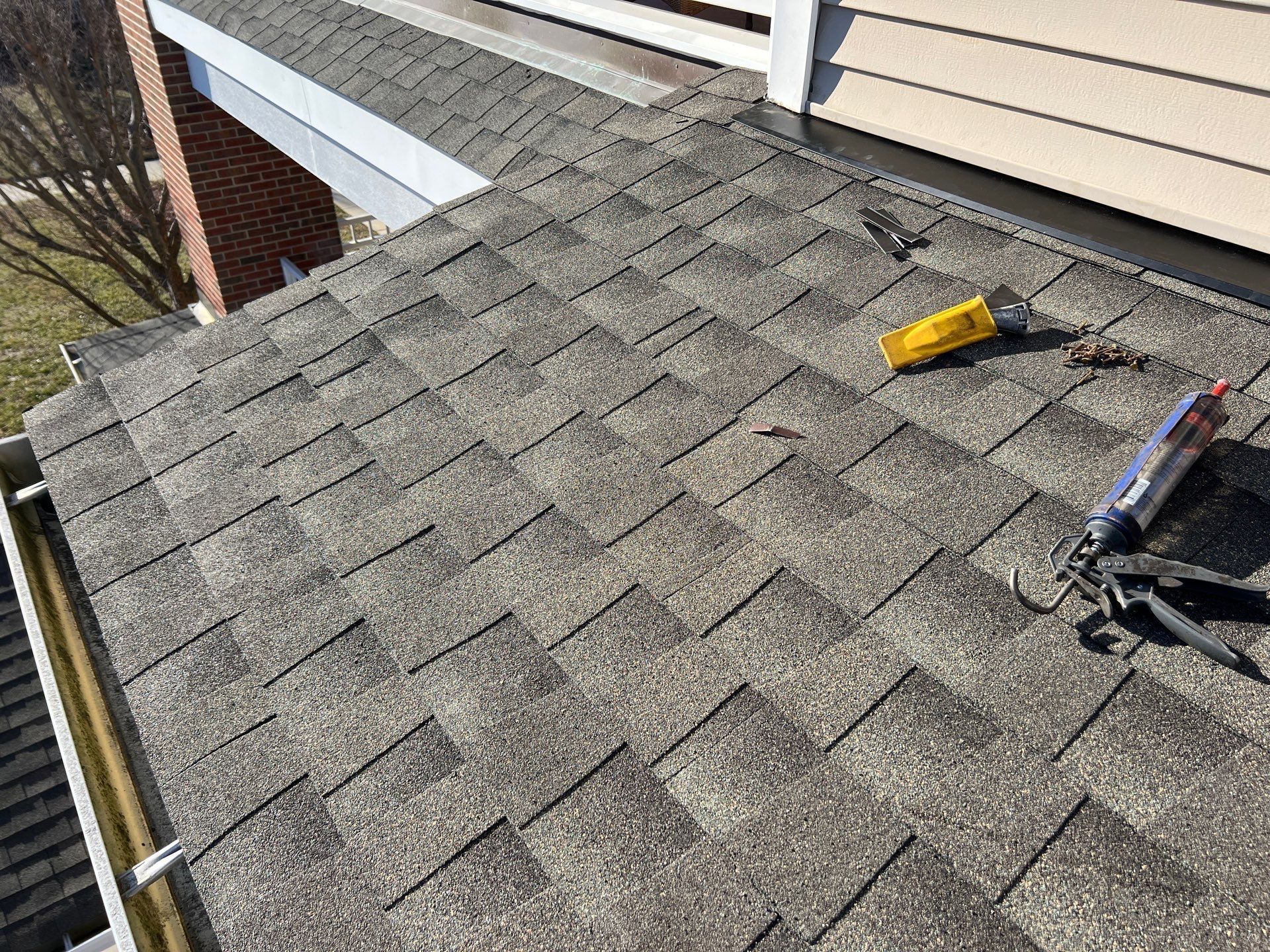
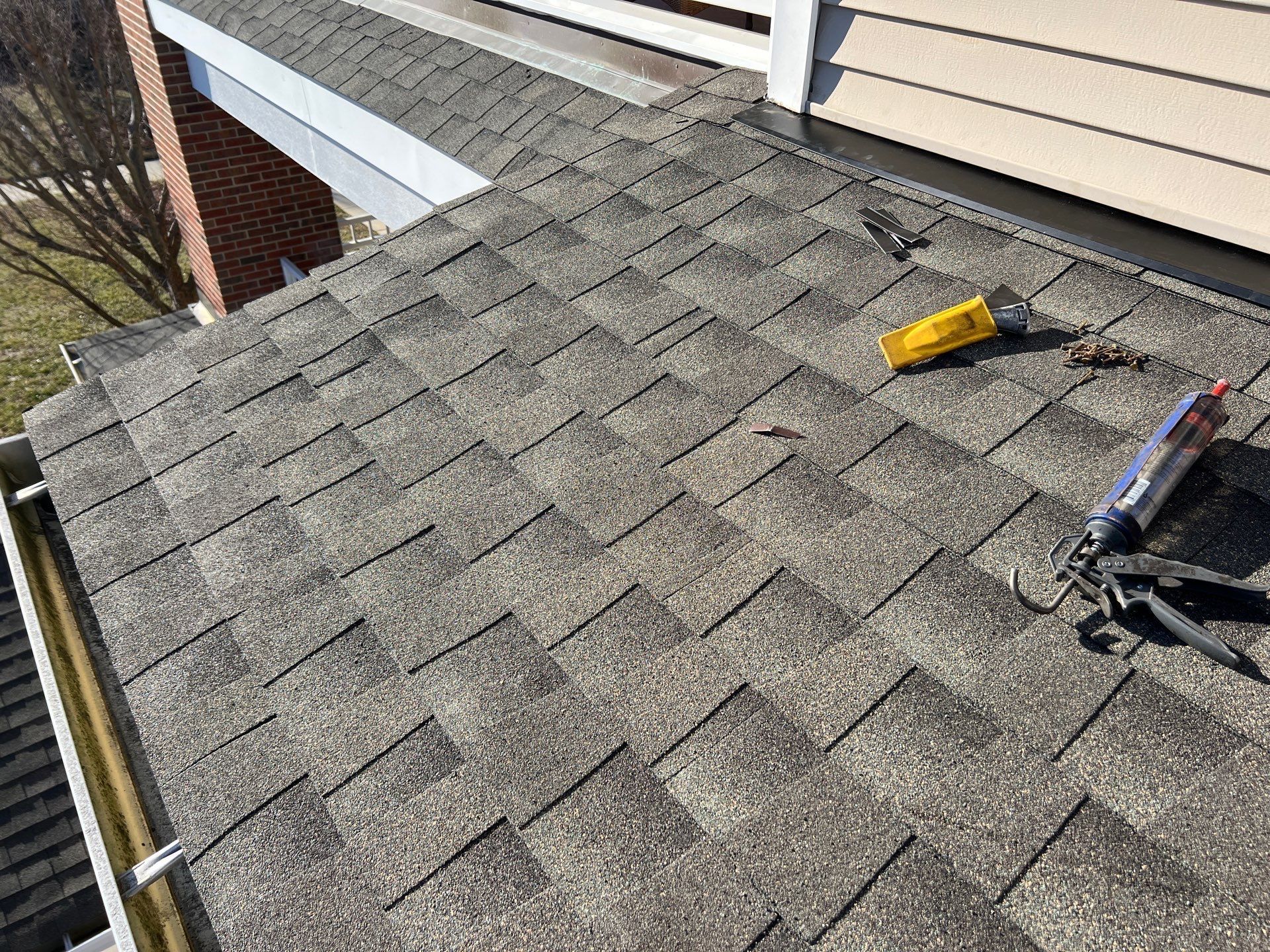
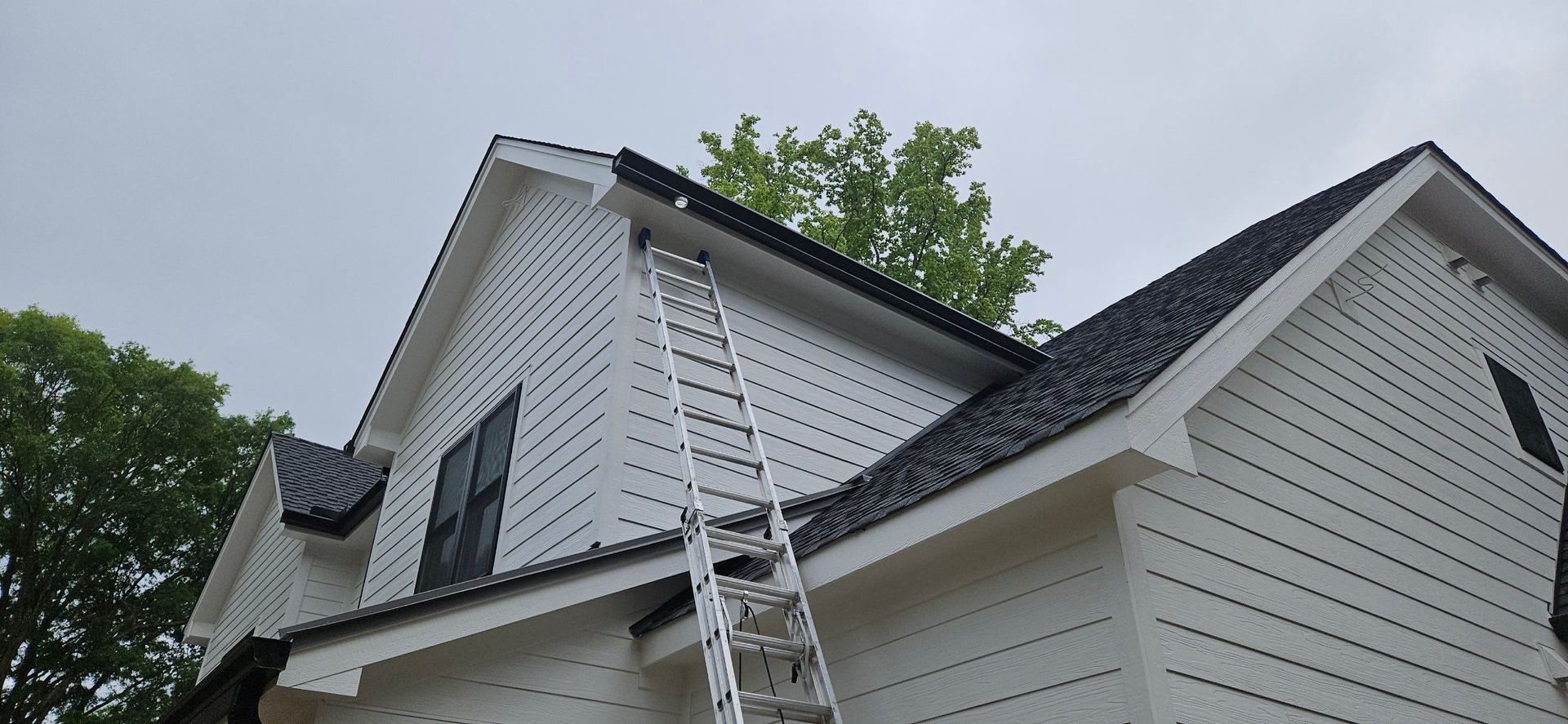
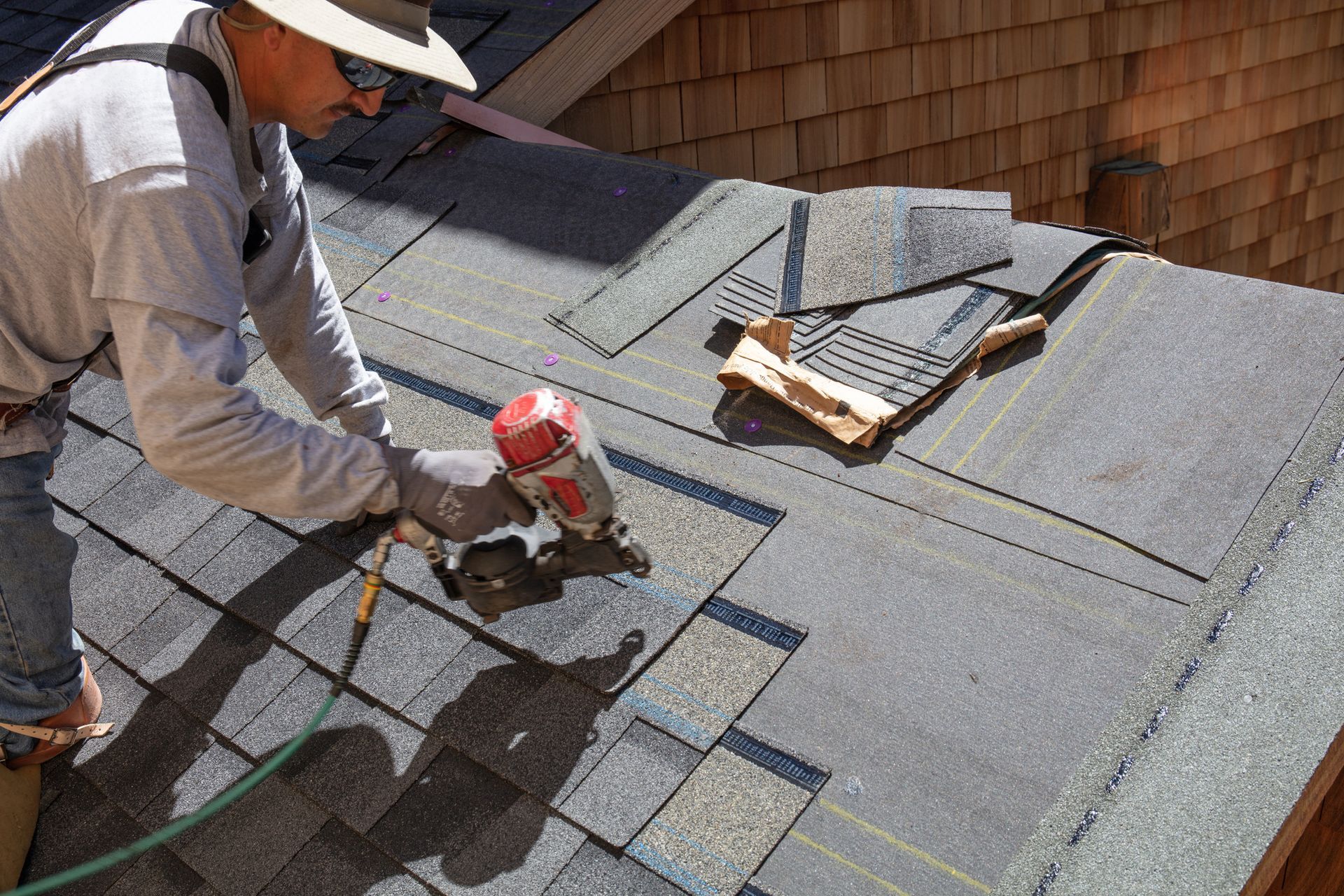
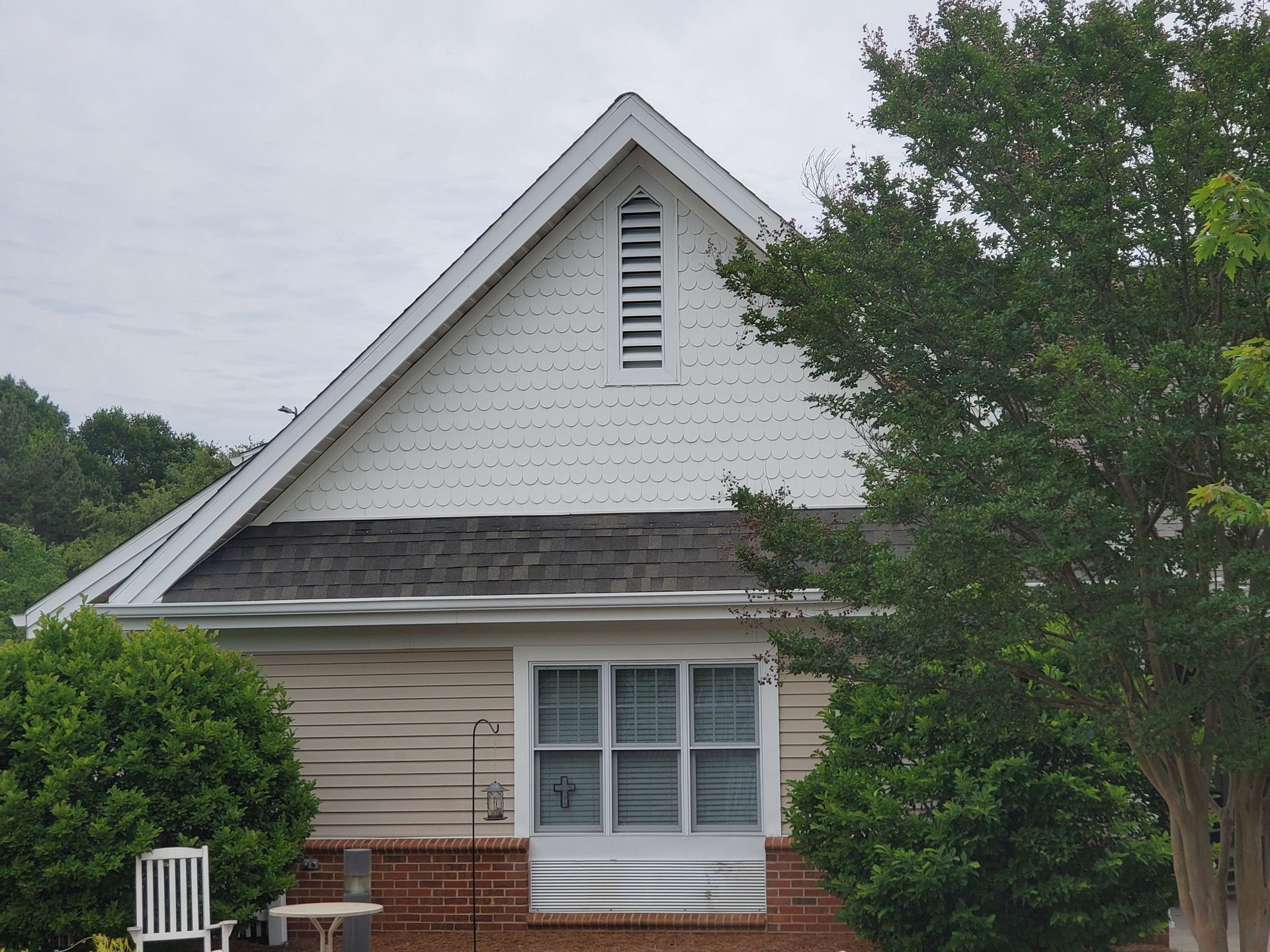
When it comes to roofing materials, Asphalt Shingles are widely popular due to their affordability and versatility. They are made from a fiberglass base topped with mineral granules and asphalt, making them resistant to extreme weather conditions. These shingles are available in a variety of colors and can mimic the look of more expensive materials, providing an aesthetic appeal. However, their lifespan is typically shorter than other roofing materials, usually around 15-20 years.
Metal Roofing
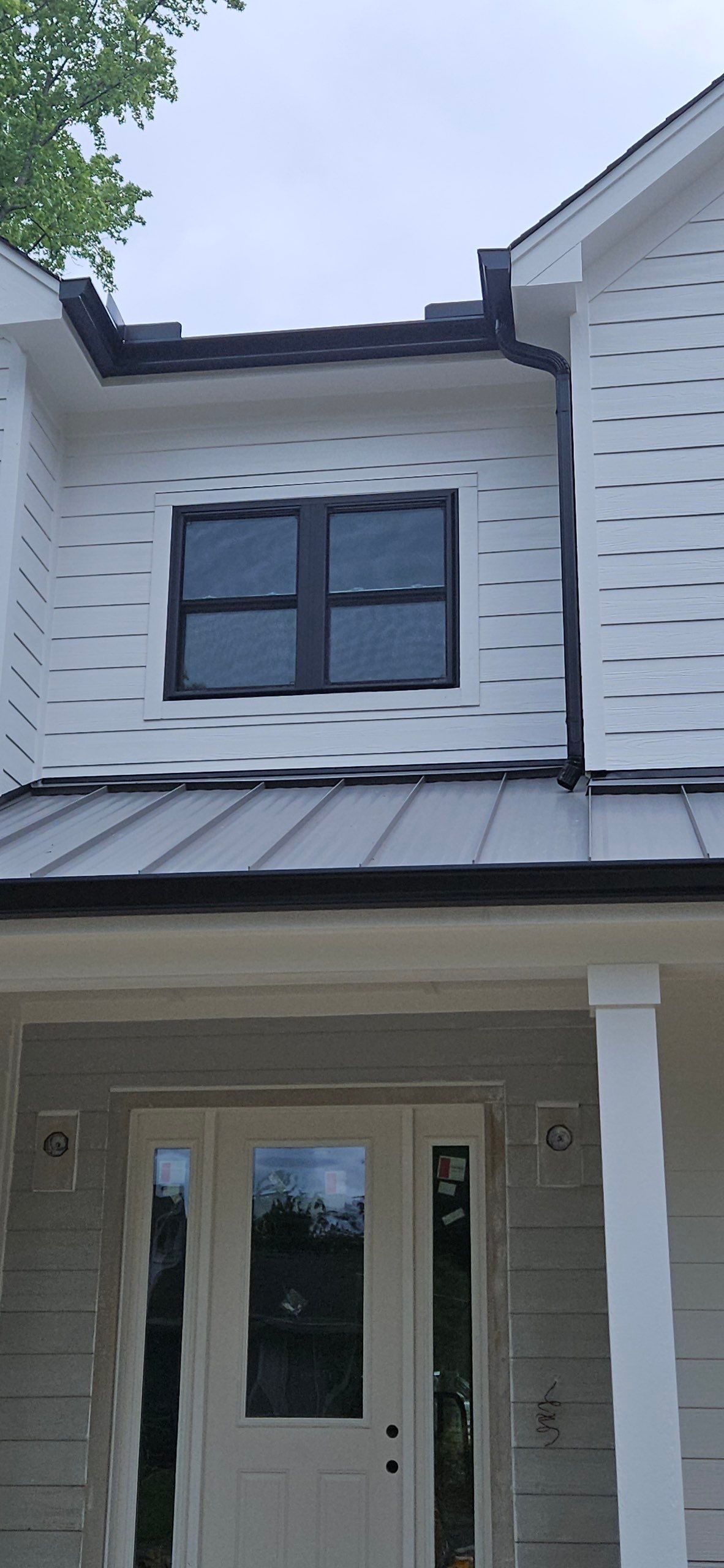
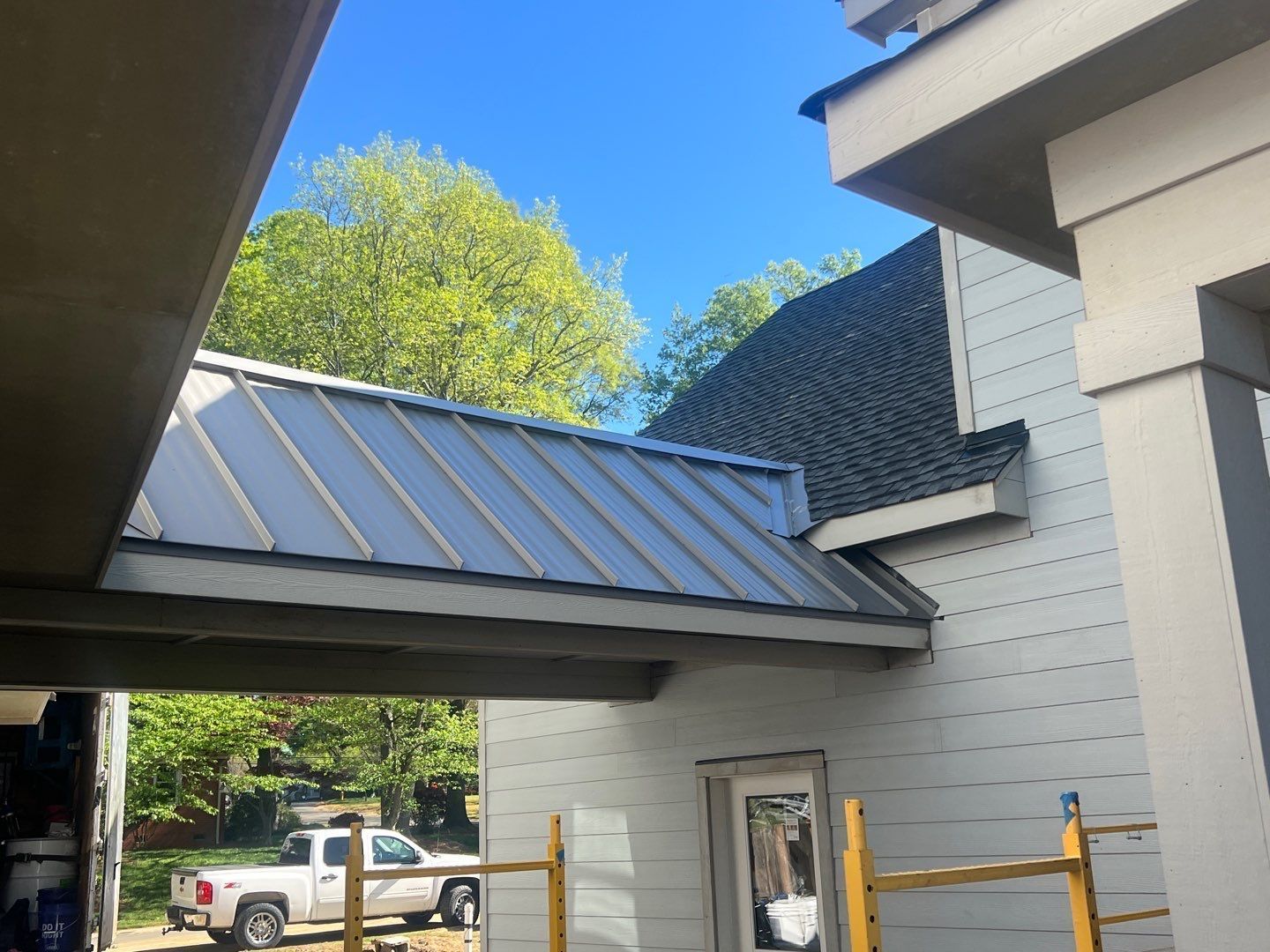
Metal Roofing, on the other hand, is known for its durability and longevity. With proper maintenance, a metal roof can last up to 50 years or more. This material is also highly resistant to fire, wind, and hail, making it a safe choice for homes in areas with harsh weather conditions. Additionally, metal roofs are energy efficient as they reflect solar heat, reducing cooling costs during summer.
Wood Shingles or Shakes
Wood Shingles or Shakes offer a unique, natural look that can enhance the aesthetic appeal of your home. They are typically made from cedar, pine, or redwood, and provide a high level of insulation. However, wood shingles require regular maintenance to prevent mold and rot, and may not be suitable for areas prone to wildfires.
Slate Roofing
Slate Roofing is another durable and long-lasting material. With a lifespan of up to 100 years, slate is a premium choice known for its elegant appearance. It is fire-resistant and requires minimal maintenance. However, the slate is heavy and requires a strong support structure, making it more expensive than other options.
Tile Roofing
Lastly, Tile Roofing, commonly made from clay or concrete, offers a distinct look that is often associated with Mediterranean or Spanish-style homes. Tiles are extremely durable, fire-resistant, and can last over 50 years. They are also energy efficient as they help keep the house cool in hot climates. However, like slate, tile roofs are heavy and may require additional support.
Factors to Consider When Choosing Roofing Material
In the quest to choose the right roofing material for your home, it's crucial to consider several factors. These factors are not merely limited to the cost and appearance of the material but also encompass its longevity, maintenance requirements, and suitability to your local climate and weather conditions.
Climate and Weather Conditions
Climate and weather conditions play a significant role in determining the type of roofing material to install . Some materials are better suited for certain weather conditions than others. For example, metal roofs are ideal for areas with high winds and heavy snowfall due to their durability and resistance to these elements. Conversely, in hot climates, clay, slate, or tiles are excellent choices since they effectively reflect heat and keep the home cooler.
The Lifespan of the Material
The lifespan of the material is another critical factor to consider. While initial costs may be tempting, it's important to think long-term. For instance, asphalt shingles are relatively inexpensive, but they have a shorter lifespan compared to metal or slate roofs. Therefore, if longevity is a priority for you, investing in durable materials like slate or metal could save you from frequent replacement costs in the future.
Aesthetics and Style Preferences
When it comes to aesthetics and style preferences, the roofing material you choose should complement the architectural style of your home. Wood shingles can give your house a beautiful, rustic appeal, while slate roofs offer a touch of elegance. On the other hand, metal roofs can give your home a modern, sleek look.
Budget Constraints
Budget constraints are an inevitable part of the decision-making process. While slate and tile roofs are durable and aesthetically pleasing, they are also more expensive than other options. Asphalt shingles, on the other hand, are among the most affordable options, but may require more frequent replacements due to their shorter lifespan.
The Maintenance Requirements
Lastly, consider the maintenance requirements of the roofing material you choose. Some materials, like wood shingles, require regular maintenance to prevent rot and decay. Others, like metal or tile, require less upkeep but may need a professional inspection to ensure their durability and longevity.
Environmental Impact of Different Roofing Materials
In the quest for the perfect roofing material, it's essential to consider the environmental impact of your choice. Several factors come into play, including the recyclability and sustainability of various materials, their energy efficiency, and how they can impact indoor air quality.
The Recyclability and Sustainability
Firstly, the recyclability and sustainability of the materials are crucial. Metal roofs, for instance, are highly recyclable, with some being made of over 90% recycled content. They are also durable, reducing the need for replacements and thereby reducing waste. On the other hand, asphalt shingles, the most commonly used roofing material in the United States, are less sustainable. They are petroleum-based and contribute to landfill waste because they are not easily recyclable.
The Energy Efficiency
Secondly, the energy efficiency of different roofing materials should be taken into account. Energy-efficient roofs can help keep your home cool in the summer and warm in the winter, reducing your reliance on heating and cooling systems, and thus your energy consumption. Metal roofs again stand out in this aspect as they can reflect solar radiant heat, reducing cooling costs by 10-25%. Clay and concrete tiles also have good thermal performance, but their heavy weight may require additional structural support.
The Impact on Indoor Air Quality
Finally, the impact on indoor air quality is a less obvious but equally important factor. Some roofing materials can emit volatile organic compounds (VOCs) that can infiltrate your home and reduce indoor air quality. Typically, synthetic materials like PVC or rubber roofing are more likely to off-gas harmful substances. Therefore, choosing natural materials such as wood, clay, or slate can help maintain a healthier indoor environment.
In conclusion, when choosing a roofing material, it's not just about how it looks or how much it costs. The environmental impact, from its production to its disposal, its energy efficiency, and its impact on your home's air quality, should all be part of your decision-making process.
Comparing the Cost and Value of Different Roofing Materials
The Initial Cost of Your Chosen Material
In the next stage of your decision-making process, it's important to compare the cost and value of different roofing materials. The initial cost of your chosen material can vary significantly, from affordable asphalt shingles to the premium price tag of slate tiles or copper roofing. However, it's crucial not to base your decision solely on this initial outlay. More expensive materials often last longer, require less maintenance, and can even save you money in the long run in terms of energy costs. For instance, metal roofs, while having a higher upfront cost, are durable, recyclable, and energy-efficient, potentially saving you money over time.
The Impact of Your Chosen Roofing Material on Your Home Insurance
Next, consider the impact of your chosen roofing material on your home insurance premiums. Some materials are more resistant to damage than others, which could lead to lower premiums. For example, metal roofs are typically more resistant to wind and fire damage than asphalt shingles, which could result in lower insurance costs. On the other hand, materials like wood shakes, while aesthetically pleasing, might increase your premiums due to their higher susceptibility to fire.
The Resale Value of Your Home Influence
Lastly, the material you choose can influence the resale value of your home. High-quality, durable materials like slate or copper can significantly increase your home's resale value, thanks to their longevity and appealing aesthetic. Conversely, cheaper materials like asphalt may not have the same impact. However, the influence on resale value also depends on the neighborhood and potential buyers' preferences. Therefore, it's crucial to consider all these factors, alongside environmental impact, aesthetics, and maintenance requirements, to make an informed decision about your roofing material.
Conclusion
In conclusion, the journey to choosing the ideal roofing material for your home requires a careful analysis of various factors. While the initial cost is an important consideration, it is crucial not to overlook the long-term implications. A roofing material that may seem expensive at first could turn out to be cost-effective in terms of maintenance, durability, and insurance premiums. Moreover, the potential to boost your home’s resale value is an added benefit that should not be disregarded.
The best roofing material for your home is one that aligns with your personal needs and preferences. The aesthetic appeal of the material, its compatibility with your home's architectural style, and your taste are all important considerations. However, these must be balanced with the practical aspects of durability and maintenance needs. Moreover, the local climate is a key factor that can influence the performance and longevity of your roofing material.
Different materials have varying levels of resistance to heat, cold, rain, wind, and snow. Therefore, your choice must be able to withstand the typical weather conditions in your area. In the end, the decision of
which roofing material to choose
should not be rushed. Take your time, do your research, and consider seeking professional advice if needed. Remember, your roof is not just a part of your home’s exterior; it is a long-term investment that can add value to your home and provide a safe shelter for you and your family. Unlock the secrets of selecting the ideal roofing material with JW Services Inc. of NC, guiding you toward the perfect choice for durability, style, and long-lasting protection for your home.
Name, Address, and Phone
JW Services Inc of NC
5832 Gold Hill Rd, Concord, NC, 28025, US
(704) 228-7306
Social Media’s