oofing News, Tips & Home Improvement Insights
The environmental impact of roofing materials is a topic of growing importance in today's world. As we become more aware of our ecological footprint and the potential harm that construction materials can cause, it is crucial to understand the implications of our choices. Roofing materials, in particular, play a significant role in this context. These materials, often overlooked, can significantly impact the environment, affecting everything from energy efficiency and resource consumption to waste generation and life-cycle emissions.
A brief overview of the
common roofing materials
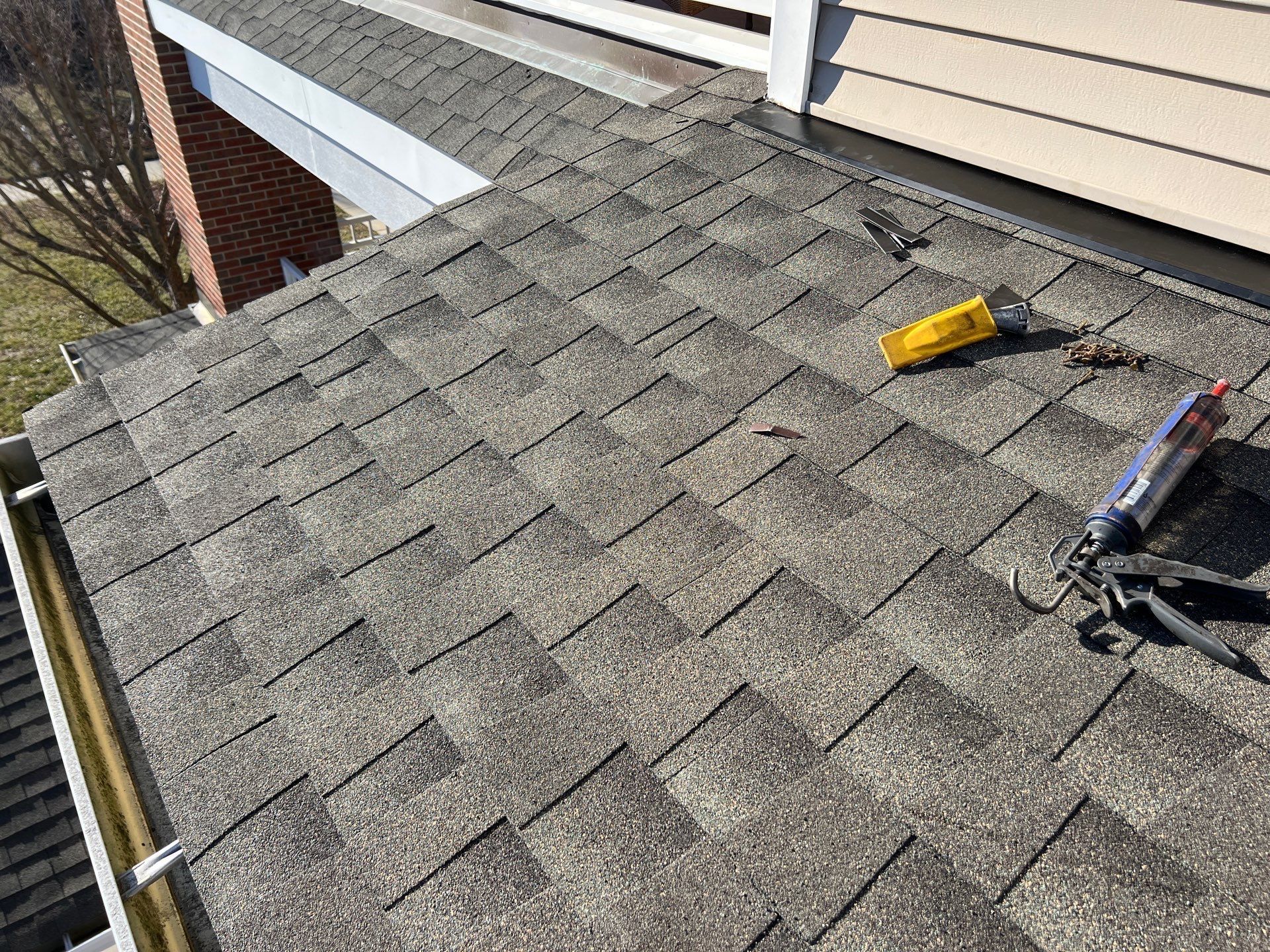
can help us understand their potential environmental impacts. Asphalt shingles, for instance, are the most popular roofing material in North America. They are relatively cheap and easy to install, but they have a relatively short lifespan and are made from petroleum, a non-renewable resource.
Metal roofing, on the other hand, is more expensive but lasts longer and is fully recyclable at the end of its life. Clay and slate tiles are durable and natural but require significant energy to produce and transport due to their weight. Lastly, green roofs, made from layers of vegetation, are an emerging trend, offering benefits like improved insulation, stormwater management, and habitat creation, but also require regular maintenance and have higher initial costs.
In essence, each roofing material has its pros and cons, and their environmental impact can vary greatly. The choice of roofing material should, therefore, be a careful consideration, taking into account the material's lifespan, recyclability, production energy, and more.
Asphalt Shingles
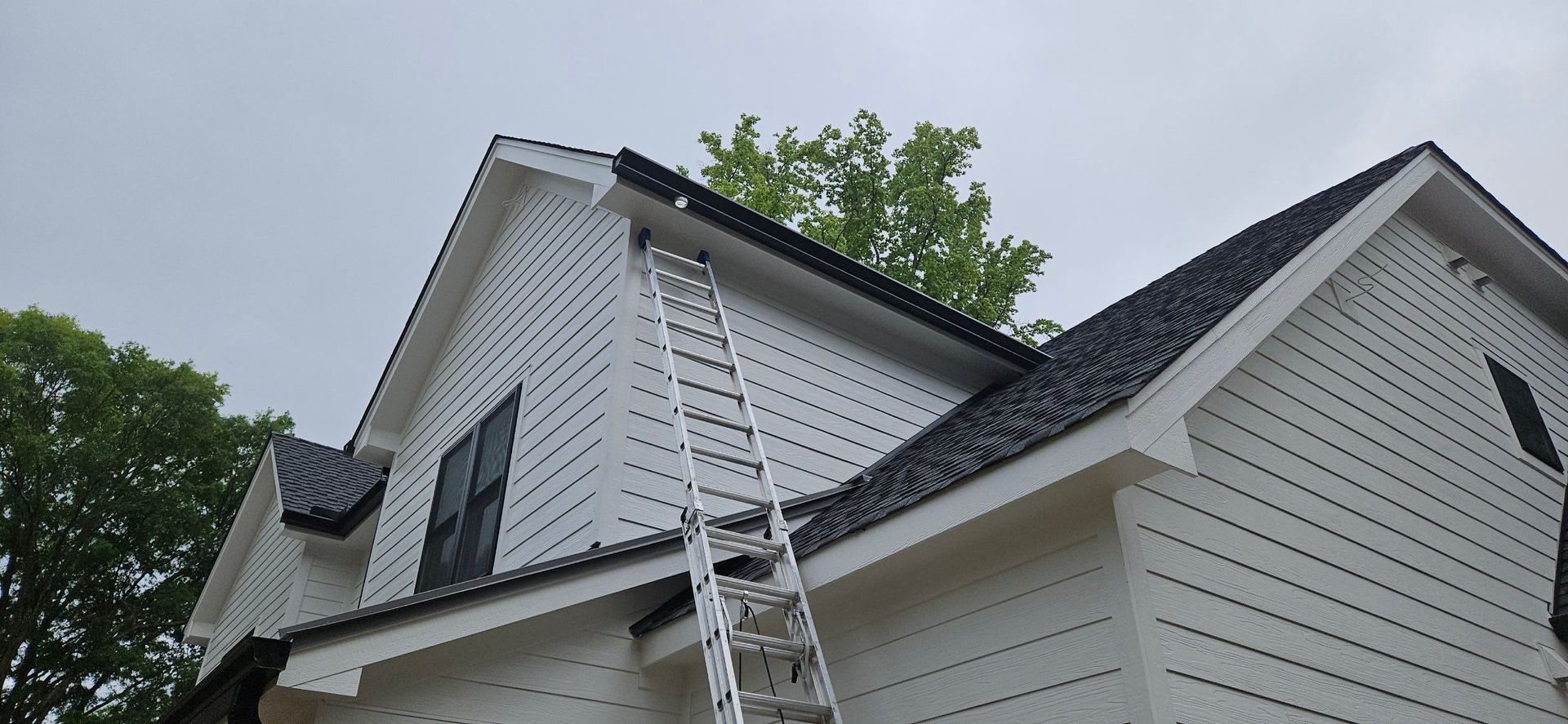
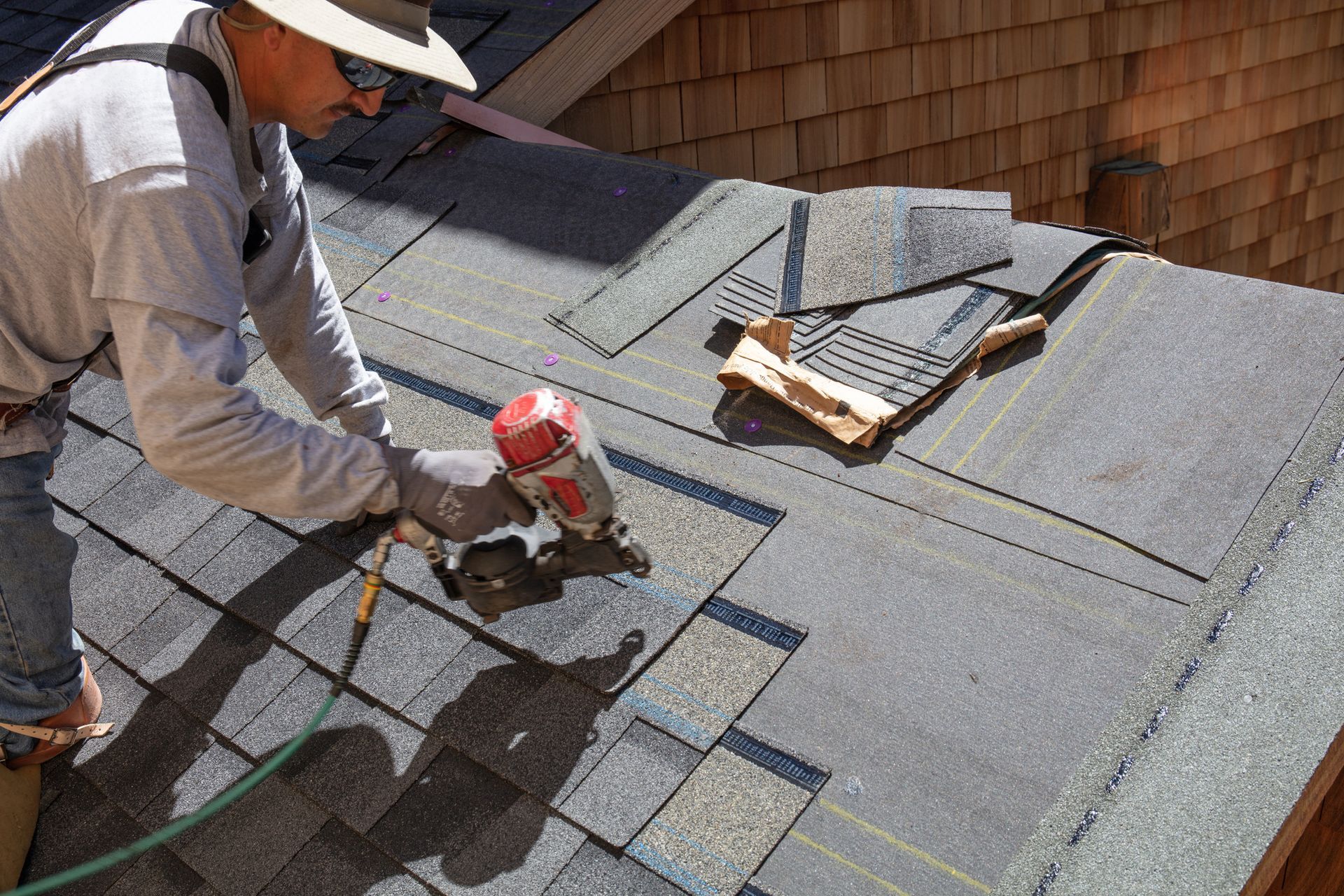
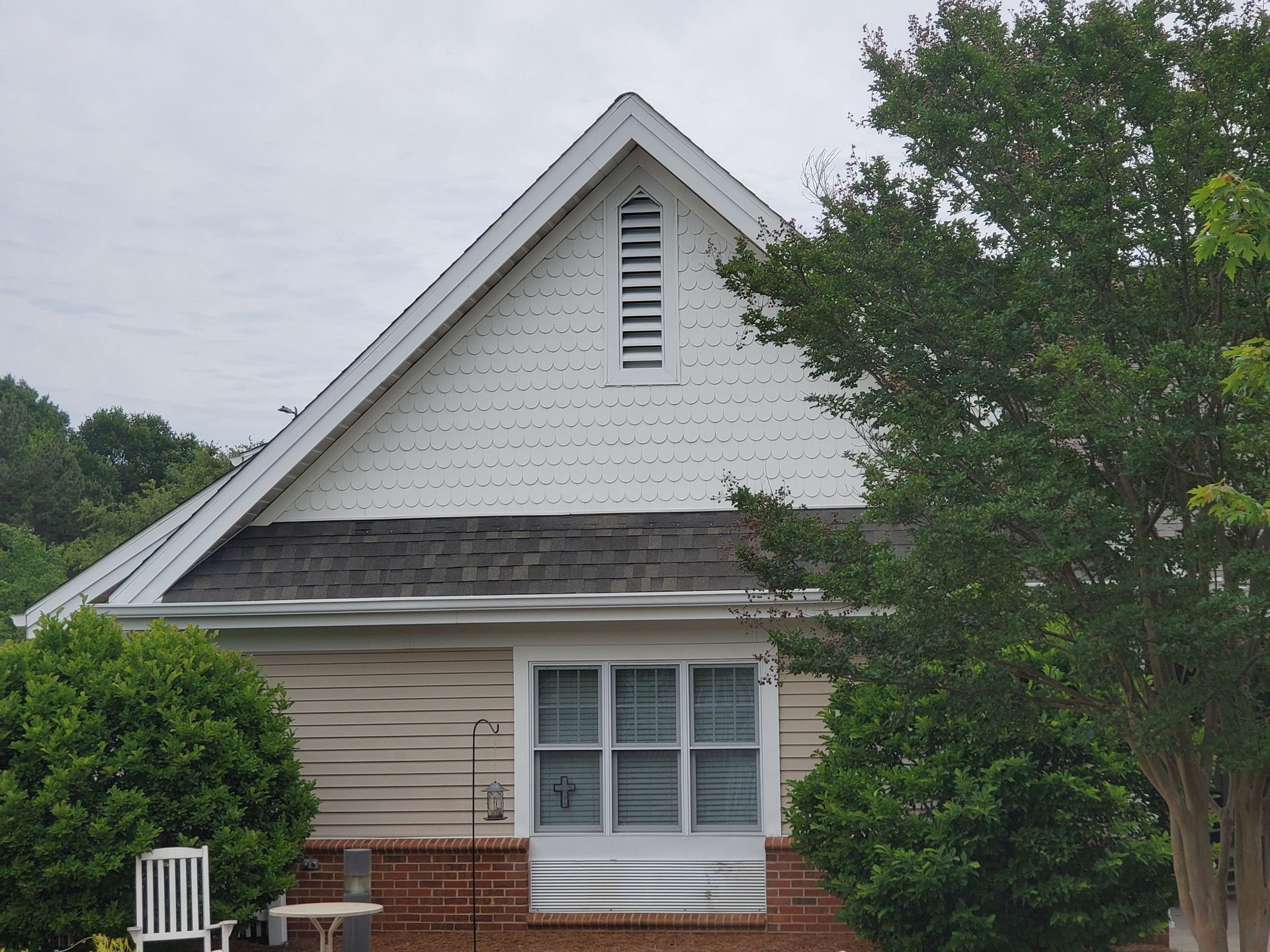
Moving on to the next roofing material, let's take a closer look at asphalt shingles. As one of the most common roofing materials used in residential buildings across North America, asphalt shingles are known for their affordability, durability, and ease of installation. However, their environmental impact cannot be overlooked.
The Production of Asphalt Shingles
When it comes to the manufacturing and disposal of asphalt shingles, the environmental impact is significant. The production of asphalt shingles requires a high amount of energy and results in the emission of greenhouse gases, contributing to climate change. Most asphalt shingles are made from petroleum products, which are non-renewable resources. Moreover, at the end of their lifespan, a large number of asphalt shingles end up in landfills, adding to the solid waste problem. Some recycling programs do exist, but they are not widely available or utilized.
High Energy Consumption
In terms of energy efficiency, asphalt shingles do not fare well compared to other roofing materials. They absorb a large amount of heat due to their dark color, which can increase the cooling load of a building, leading to higher energy consumption in warmer climates. Although lighter-colored shingles are available and can reflect more solar radiation, they still fall short of the energy efficiency offered by other materials such as metal or green roofing .
Environmental Impact
Asphalt shingles, while economically appealing, pose significant environmental concerns. Their production and disposal methods contribute to the depletion of non-renewable resources, greenhouse gas emissions, and waste generation. Additionally, their poor energy efficiency can lead to increased energy consumption. Therefore, it's essential to weigh these environmental impacts against their cost-effectiveness when choosing roofing materials.
Metal Roofs
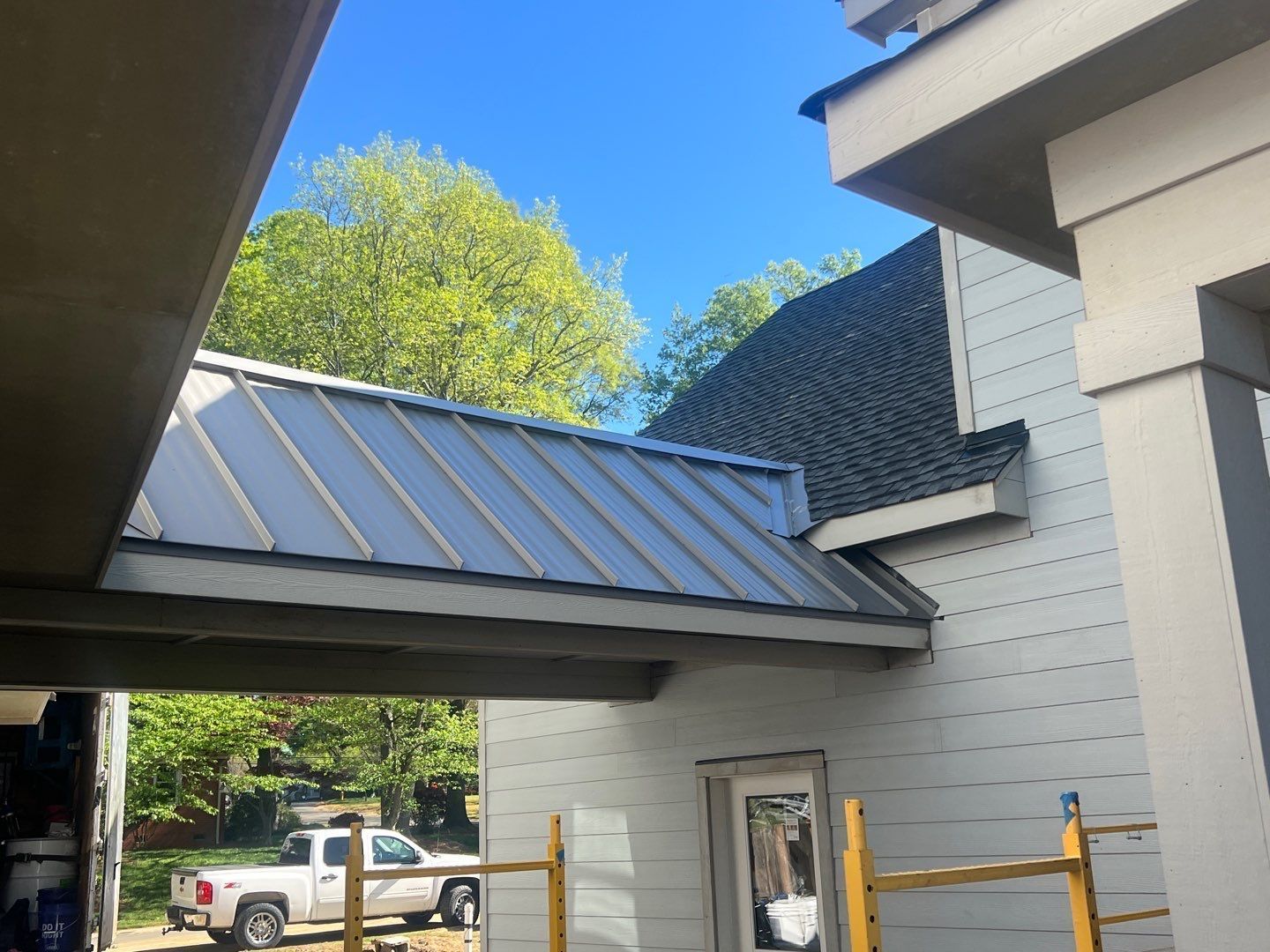
In contrast to asphalt shingles, metal roofs offer a more eco-friendly alternative for homeowners and builders. These roofs, constructed from a variety of metals including tin, zinc, aluminum, copper, or an amalgamation of these, are popular for their durability, longevity, and recyclability.
The Manufacturing Process of Metal Roofs
The manufacturing process of metal roofs, although still requiring energy, is less harmful to the environment than that of asphalt shingles. Metal roofing materials are typically made of a significant proportion of recycled material and are almost entirely recyclable at the end of their lifespan. Instead of contributing to the increasing problem of landfill waste, old metal roofs can be repurposed and reused, reducing the demand for new material production and thus, decreasing associated greenhouse gas emissions.
Energy Efficiency
In terms of energy efficiency, metal roofs outshine many other roofing materials. Their reflective properties allow them to bounce back a significant amount of the sun's energy, rather than absorbing it as heat. This means homes with metal roofs often require less energy for cooling in hot climates, contributing to a lower carbon footprint. Additionally, many metal roofs are now designed with built-in insulation systems, further enhancing their energy efficiency and reducing the need for additional, often non-recyclable, insulation materials.
In summary, while metal roofs do have an environmental impact through their manufacture, their recyclability and energy efficiency make them a far more environmentally conscious choice than asphalt shingles.
Wood Shingles
Moving on from metal roofs, another material worth considering is wood shingles. Wood shingles, derived from natural resources, have been used for centuries in roof construction, providing an aesthetic appeal unmatched by other materials. They offer a unique blend of tradition and durability, but their environmental impact is a complex issue.
The Manufacturing Process of Wood Shingles
The manufacturing process of wood shingles has both positive and negative environmental impacts. On the positive side, wood is a renewable resource that can be sustainably harvested and processed with less energy than many other roofing materials. Additionally, the manufacturing process can be carbon-neutral if the wood is sourced from sustainably managed forests that are replanted to absorb carbon dioxide. On the downside, the disposal of wood shingles can be harmful to the environment. If not properly recycled or composted, wood shingles can end up in landfills, where they decompose and release methane, a potent greenhouse gas.
Energy Efficiency
When considering energy efficiency, wood shingles exhibit a high level of natural insulation due to their cellular structure. This can help to regulate indoor temperatures, reducing the need for artificial heating or cooling and thereby lowering energy consumption. However, the efficiency of wood shingles can be compromised over time due to factors such as moisture absorption, leading to rot and decay.
In summary, while wood shingles possess certain environmental advantages such as renewability and natural insulating properties, they also have potential environmental drawbacks. The key to maximizing their environmental friendliness lies in sustainable sourcing, proper maintenance, and responsible disposal.
Slate and Tile Roofs
Moving on from wood shingles, we come to slate and tile roofs. Slate and tile roofs are another type of roofing material that has been used for centuries. They are known for their durability, aesthetic appeal, and longevity. Slate, in particular, is highly valued for its natural, elegant appearance and longevity, while tile roofs are lauded for their ability to withstand harsh weather conditions.
The Environmental Impact of Manufacturing Slate and Tile Roofs
However, the environmental impact of manufacturing and disposing of slate and tile roofs is a crucial factor to consider. The extraction and processing of raw slate and tiles require significant energy, which contributes to global greenhouse gas emissions. This energy intensity is due to the complex processes involved in quarrying, cutting, and finishing the slate or tile. Additionally, the disposal of these materials can also pose environmental challenges. If not recycled or repurposed, discarded tiles and slate can contribute to landfill waste.
Slate and Tile Roofs Have Excellent Energy Efficiency
On the flip side, slate and tile roofs have excellent energy efficiency. They are known for their thermal mass, which means they can absorb heat during the day and slowly release it at night. This property helps regulate indoor temperatures, reducing the need for artificial heating and cooling systems, thereby saving energy. Moreover, slate and tile roofs have a long lifespan, often exceeding 50 years, which means less frequent replacement and less waste over time.
Environmental Pros and Cons
In comparison to wood shingles, slate and tile roofs have a different set of environmental pros and cons. While they require more energy for production, their durability, energy efficiency, and lifespan can offset some of these impacts. As with wood shingles, the key to reducing their environmental impact lies in responsible sourcing, efficient manufacturing processes, and proper disposal or recycling.
Green Roofs
Moving on from slate and tile roofs, let's explore another type of roofing material that has been gaining popularity due to its unique environmental benefits - green roofs. Green roofs, also known as 'living roofs', are systems where vegetation is planted over a waterproofing membrane on the roof. These roofs not only add aesthetic value to buildings but also bring numerous environmental benefits. Green roofs have a multifaceted impact on the environment.
Environmental Benefits of Green Roofs
One of the key environmental benefits of green roofs is their ability to mitigate stormwater runoff. By absorbing rainwater, they reduce the amount of runoff, thereby decreasing soil erosion and water pollution. Furthermore, green roofs act as a natural habitat for various forms of wildlife, thereby promoting biodiversity in urban environments. They also help in improving air quality by filtering pollutants and carbon dioxide out of the air, which in turn reduces greenhouse gases.
Energy Efficiency
In terms of energy efficiency, green roofs are a standout. They provide natural insulation for buildings, thereby reducing the need for heating and cooling, and consequently lowering energy consumption. This thermal regulation capability makes green roofs an effective tool in combating the urban heat island effect, a phenomenon where urban areas become significantly warmer than their rural surroundings.
Cost and Maintenance of Green Roofs
While the initial cost and maintenance of green roofs can be higher than conventional roofing materials, their long-term benefits in terms of energy savings and environmental impact can outweigh these costs. Like slate and tile roofs, it's important to consider sourcing and installing green roofs responsibly to maximize their environmental benefits.
Solar Roofs
Moving from green roofs, another innovative and sustainable roofing option is solar roofs. Solar roofs are not only a means of sheltering a building but also a platform for generating electricity. Made up of solar photovoltaic (PV) panels, these roofs convert sunlight into energy, reducing reliance on traditional power sources and thus decreasing greenhouse gas emissions.
The Environmental Impact and Benefits of Solar Roofs
The environmental impact and benefits of solar roofs are quite significant. Unlike conventional energy sources, solar power doesn't release harmful pollutants, making it an excellent choice for preserving the environment. More than that, solar roofs not only generate clean power but also help reduce the heat island effect, a phenomenon where urban areas are noticeably warmer than surrounding rural areas due to human activities. By absorbing sunlight, solar roofs can reduce a building's overall heat absorption, contributing to a cooler urban environment.
Energy Efficiency
However, the most compelling aspect of solar roofs is their energy efficiency. Solar roofs convert sunlight directly into electricity, providing a sustainable and renewable source of energy for the building. This reduces the energy demand from the grid and could potentially eliminate it if the solar system is large enough. Furthermore, any excess energy can be fed back into the grid, benefiting the wider community. The energy efficiency of solar roofs not only leads to significant cost savings on utility bills but also contributes to the reduction in carbon footprint, making them an environmentally friendly roofing alternative.
Costs
Despite the higher upfront costs associated with solar roofs, the long-term energy savings, coupled with the potential for income from excess energy generation, make them a sustainable and financially viable option. As with green roofs, responsible sourcing, and installation practices are essential to ensure the efficiency and longevity of solar roofs.
Conclusion
In conclusion, it is clear that different roofing materials indeed have varying degrees of environmental impact. For instance, traditional asphalt shingles, while cost-effective, contribute to landfill waste due to their short lifespan and lack of recyclability. In contrast, metal roofs, composed of recyclable materials, are durable and energy-efficient, reflecting heat away from homes and reducing energy consumption. Green roofs, laden with vegetation, improve air quality and provide habitats for wildlife, though they require significant maintenance.
Yet, surpassing all these options are solar roofs. Composed of solar photovoltaic panels, solar roofs not only provide shelter but also generate electricity, reducing greenhouse gas emissions and the urban heat island effect. Despite their higher upfront costs, the long-term energy savings and potential income from excess energy generation make them a sustainable and financially viable option.
Understanding the
environmental impact of different roofing materials
is crucial when choosing a roof for your home or business. While initial costs and aesthetics may influence the decision, the long-term consequences on the environment should not be overlooked. Solar roofs, for example, require a larger initial investment but their contribution to reducing greenhouse gas emissions and reliance on traditional power grids are undeniable benefits. Other roofing materials, such as metal or green roofs, offer their environmental advantages and can be a more suitable choice depending on the specific circumstances and requirements.
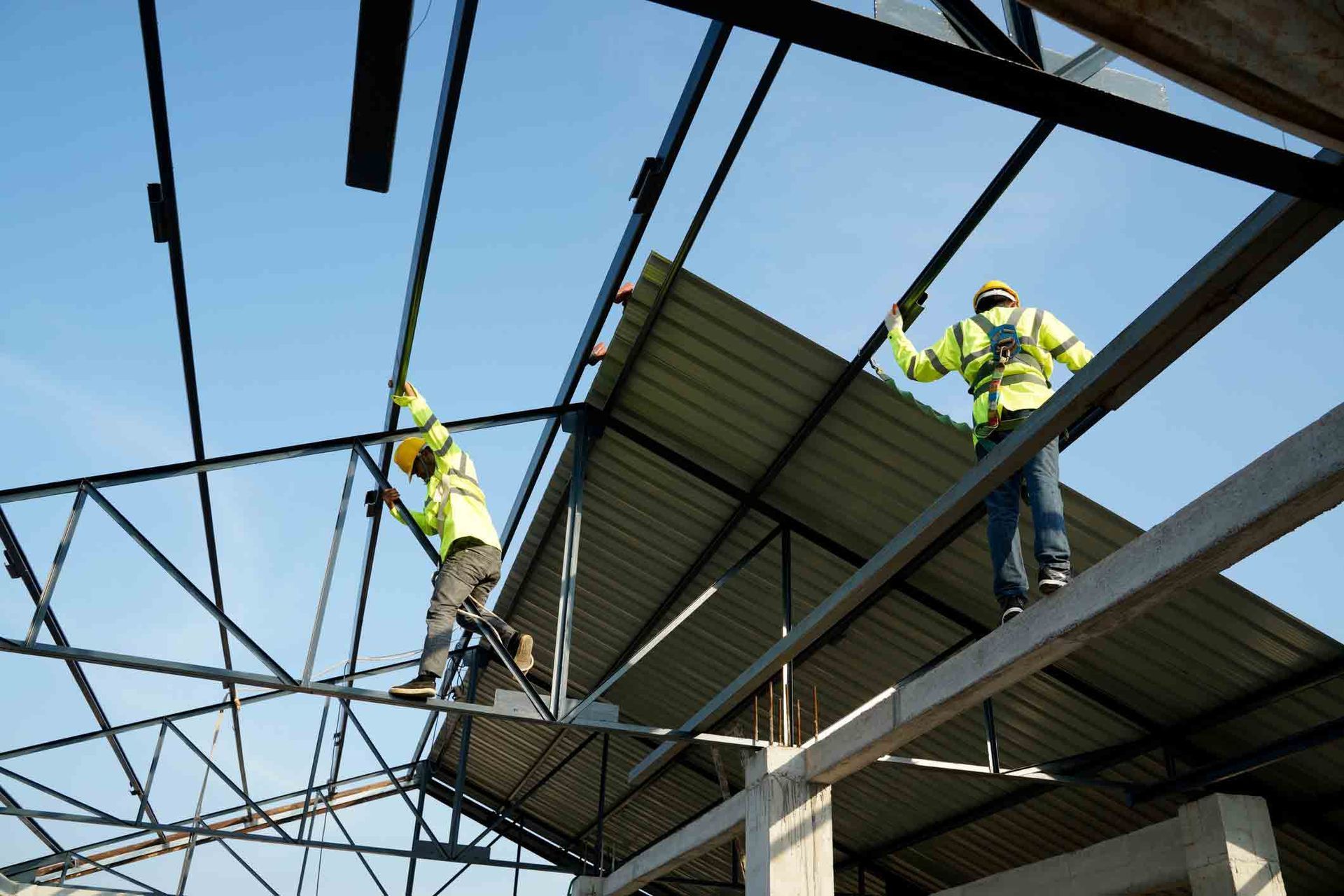
In the end, the choice of roofing materials has a significant impact on our environment. It is therefore an important decision that requires careful consideration and responsible sourcing and installation practices. By taking into account the environmental impact of different roofing materials, individuals and businesses can contribute to a more sustainable and eco-friendly future. Elevate your home's protection and aesthetics with JW Services Inc. of NC Our team specializes in roof installations, ensuring superior quality and durability to safeguard your property for years to come. Trust us to bring your vision to life, one shingle at a time.
Name, Address, and Phone
JW Services Inc of NC
5832 Gold Hill Rd, Concord, NC, 28025, US
(704) 228-7306
Social Media’s